

What I Treat
- Pain & trigger point
- Women's health
- Digestive
- Sleep
Qualifications & Background
Min holds a Bachelor of Clinical Medicine from Gansu University of Chinese Medicine (2002) and a Master of Biomedical Project Management from the University of Science and Technology of China (2013). In 2025, she completed a Bachelor's degree at the New Zealand School of Acupuncture and Traditional Chinese Medicine, which included over 320 hours of supervised clinical practice. Min is a registered member of the Chinese Medicine Council of New Zealand (CMCNZ). Before establishing her acupuncture practice in New Zealand, Min spent many years in clinical research — including four years at Peking University Stem Cell Research Centre and over a decade managing nationally approved clinical projects in areas such as Parkinson's disease, spinal cord injury, and oncology.
Special Interests
Min's background in clinical research gives her a deep appreciation for evidence-based practice, which she brings together with the wisdom of traditional Chinese medicine to offer a uniquely informed approach to care.
About Me
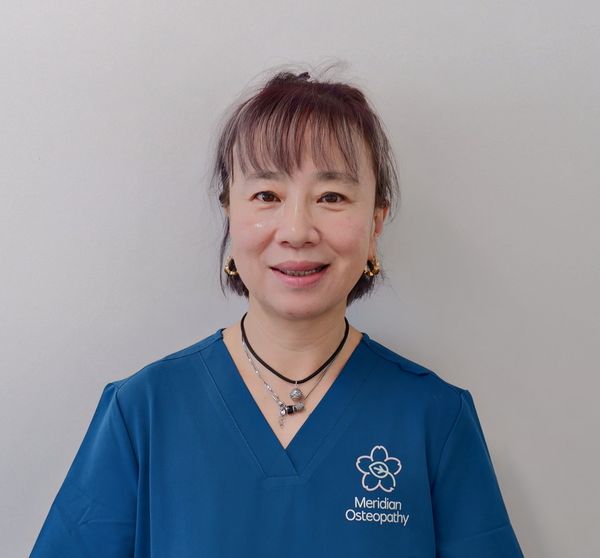
Min's path to acupuncture is shaped by a rich background in both science and medicine. Her years in clinical research gave her a profound respect for evidence-based thinking, which she combines with a genuine belief in the healing potential of traditional Chinese medicine. Outside of work, Min values balance — she enjoys time in nature, nourishing food, and the quieter rhythms of everyday life. She brings patience, warmth, and genuine curiosity to every consultation.
My Treatment Approach
Min provides safe, evidence-informed, and patient-centred care, weaving together classical Chinese medicine theory with Tung-style acupuncture techniques. She takes time to understand each patient's full picture — physical, emotional, and lifestyle — before forming a treatment plan. Alongside acupuncture, she draws on moxibustion, cupping, and therapeutic massage where clinically appropriate, tailoring every session to the individual.